

 See My Latest Article on HelloNation
How Can You Tell if Your Home’s Wiring Is Outdated?
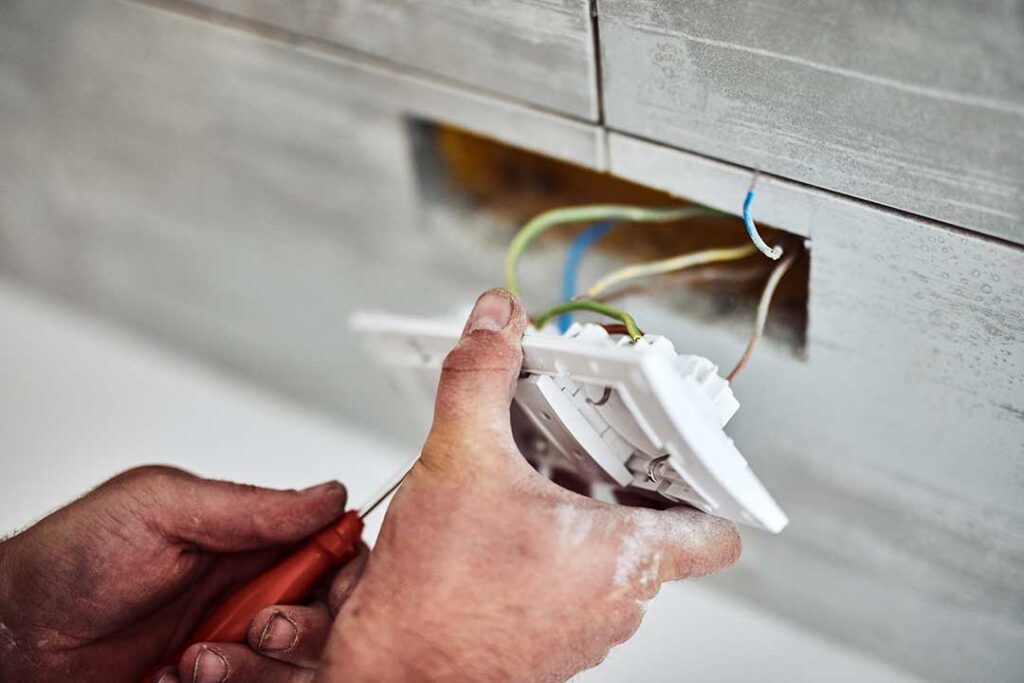
Most Knoxville, TN homes built before the 1980s may have wiring that is no longer up to current safety standards. Warning signs aren’t always obvious, but knowing what to look for can help reduce the risk of electrical fires and failures. Outdated wiring can cause problems beyond flickering lights—sometimes the issues can be hidden entirely within the walls.
What Are the Visible Signs of Wiring Issues?
Some electrical issues are easy to notice. The following signs commonly appear in older homes:
- *Frequent blown fuses or tripped circuit breakers*: If you find yourself regularly resetting breakers or replacing fuses, your wiring may be overloaded or deteriorating.
- *Discolored or warm outlets and switches*: Discoloration, scorch marks, or an unusual warmth can mean wires are overheating behind the surface.
- *Persistent burning smell with no clear source*: This may indicate overheated wiring—especially serious if it persists.
- *Lights frequently flicker or dim*: Occasional flicker from appliances is normal, but repeating problems across multiple rooms can signal underlying wiring problems.
Are There Less Obvious Problems to Watch For?
Not every wiring problem is dramatic or visible. Sometimes the symptoms are subtle:
- *Buzzing sounds from outlets or switches*: Standard outlets should be silent. Humming or buzzing suggests loose or outdated connections.
- *Outlets producing small electric shocks*: Minor zaps when plugging in electronics suggest a grounding problem or deteriorated wiring.
- *Unusual lack of grounded, three-prong outlets*: Most safe modern wiring allows for three-prong outlets. If your home has mostly two-prong outlets, the wiring may not be grounded.
What Local Factors Affect Wiring in Knoxville Homes?
Homes in Knoxville experience local challenges that can add stress to electrical systems over time. High humidity common in East Tennessee can induce corrosion on older wires, especially in basements and crawlspaces. Severe weather, frequent power surges from thunderstorms, and the region’s mix of historic and newer housing stock all contribute to unique electrical risks.
In neighborhoods with decades-old homes, it’s common for residents to use power strips and extension cords to make up for limited outlets—a practice that can mask underlying electrical limitations.
Should You Worry About Aluminum Wiring?
Many homes in Knoxville built or renovated during the late 1960s and 1970s incorporated aluminum wiring. Aluminum wire expands and contracts more than copper, which can loosen connections and create fire risks over time. Warning signs include:
- Frequent warm or discolored outlets
- The presence of “CO/ALR” marked switches or outlets (which are designed for aluminum wiring)
- Noticeably larger or more flexible wiring leaving outlet boxes
A visual inspection by a homeowner may reveal aluminum wiring, but a licensed professional should always confirm if hazardous conditions exist.
How Does Usage Affect the Need for Rewiring?
Homes built before the rise of modern appliances often have fewer circuits than today’s households require. If you find yourself:
- Using extension cords in permanent setups
- Routinely unplugging devices to use another
- Overloading power strips
…your home may need more circuits, updated breakers, or new wiring to handle the increased electrical demand.
Is Tripping a Breaker Always a Warning Sign?
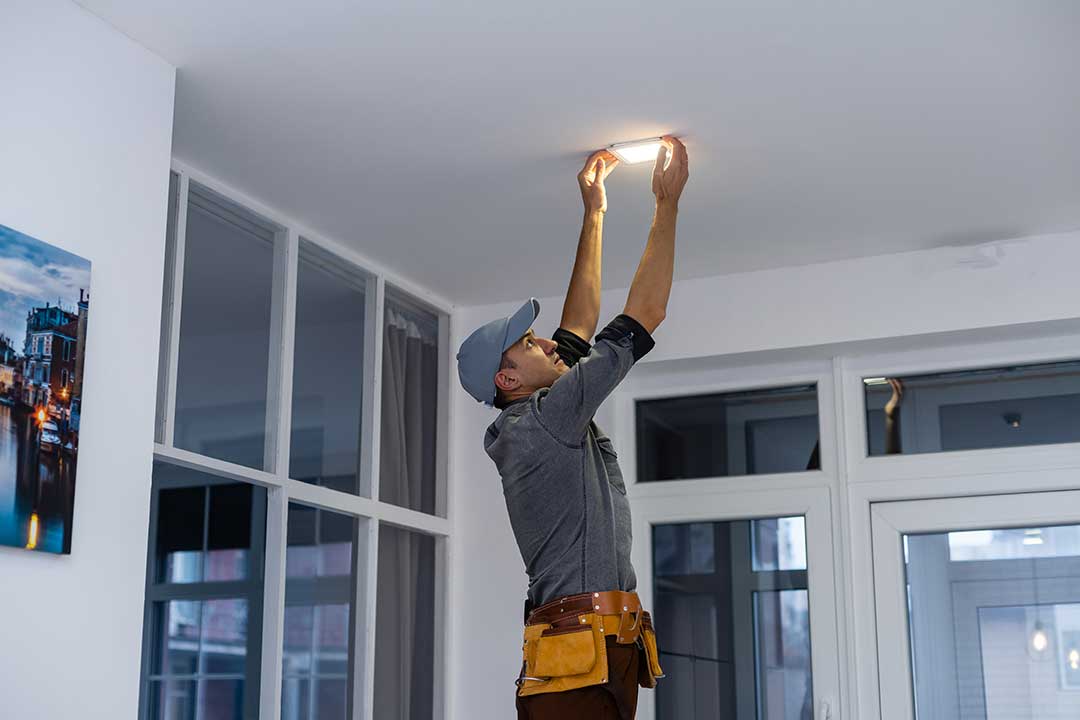
A breaker tripping every once in a while is sometimes just a result of using too many high-wattage appliances at once. However, if the same breaker trips regularly without a clear reason, or if it won’t reset, this can point to deteriorated wiring or a problem inside the panel.
How Old Should Wiring Be Before You Get Concerned?
Many original electrical systems from homes built before the 1960s are now past their expected lifespan. Even if there are no visible issues, cloth-covered wires, knob-and-tube systems, or fuse boxes (rather than breaker panels) are signs the home should be thoroughly checked.
Residents of the city should be aware that insurance companies might require proof of updated wiring before providing new coverage or renewing policies. This is especially relevant during home sales or renovations.
Can Weather Events Cause Hidden Wiring Problems?
Severe thunderstorms or the occasional tornado in Knoxville can cause power surges or localized flooding, both of which may damage wiring inside walls or crawlspaces. After water intrusion, especially in basements, wiring may corrode faster and insulation can degrade, raising long-term risks.
If your home has experienced flooding or major electrical surges, an inspection is wise. Even if the lights work, hidden damage can exist.
Are DIY Repairs a Hidden Hazard?
Some local homes have a history of unpermitted or do-it-yourself wiring changes. Common amateur mistakes include:
- Wrongly sized wires for circuits
- Unsafe splices behind walls
- Ungrounded outlets added to grounded-looking circuits
If you see unconventional junction boxes, mixed outlet styles, or unexplained cables, you may be looking at old repairs not up to code.
What Are Common Myths About Rewiring Needs?
- *“If nothing’s broken, there’s no problem.”*: Many wiring issues develop quietly until a serious incident occurs.
- *“New outlets mean new wiring.”*: Outlets can be changed without addressing the wire behind the wall; appearances can be deceiving.
- *“Breaker panels are always safe if they aren’t tripping.”*: Some outdated panels (like certain brands no longer permitted by code) may not trip reliably during faults.
When Is Professional Help Absolutely Necessary?
If you detect persistent burning smells, outlets or switches are hot to the touch, or your home still uses fuse boxes or knob-and-tube wiring, the risks are significant enough that only a licensed, code-compliant electrican should evaluate the issue. Tennessee law and building codes also require permits and inspections on most rewiring work.
Addressing these warning signs not only increases safety but, in many cases, is necessary for local code compliance and insurance coverage.