

 See My Latest Article on HelloNation
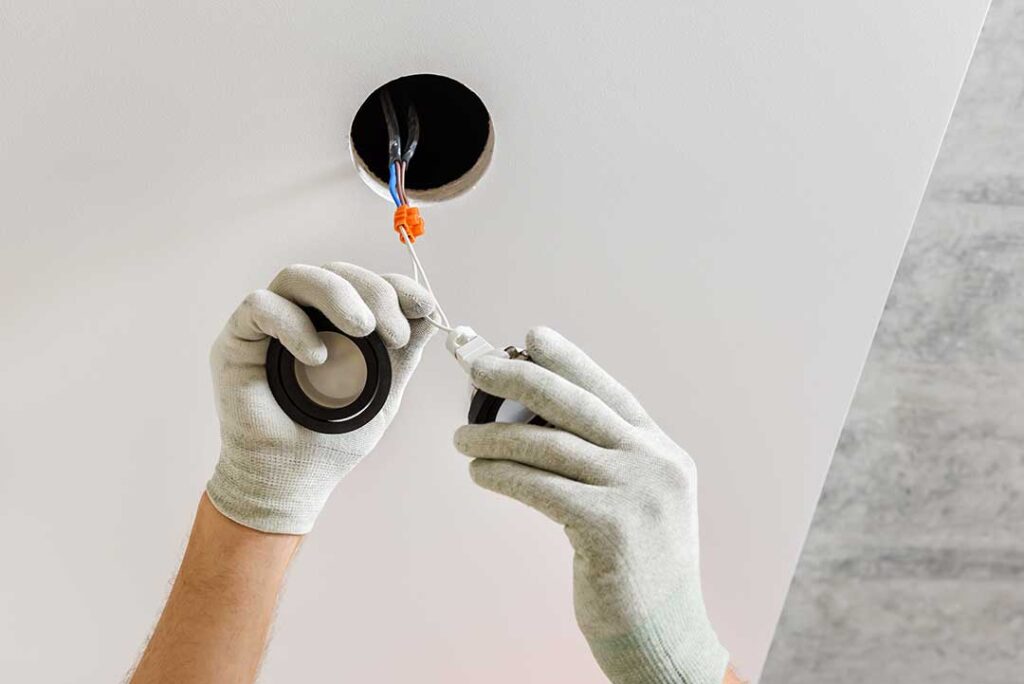
What Does It Mean When a Circuit Breaker Trips?
A tripped circuit breaker is a safety mechanism. When the breaker "trips," it shuts off power to a portion of your home to prevent overheating, electrical fires, or equipment damage. Breakers are installed in nearly every household in Knoxville, cutting power when something abnormal is detected, such as excessive electrical current.
Why Do Circuit Breakers Trip?
The main reasons for tripping are overloaded circuits, short circuits, ground faults, or occasionally, a faulty breaker. Each reason connects to how much electricity is passing through wires and outlets. Understanding these causes can help local residents identify issues and maintain a safer home.
Overloaded Circuits
Overloading is the most common cause in Knoxville homes, especially in older houses or during peak heating/cooling months. This happens when too many appliances, lights, or devices operate on a single circuit, drawing more electricity than the wiring can safely handle. For example, running multiple space heaters in winter or plugging in high-draw devices like microwaves, toasters, and coffee makers simultaneously can easily overload a kitchen circuit.
Signs of Overloading:
- Frequent breaker trips when several appliances are used together
- Lights dimming briefly when a large device turns on
- Warm switch plates or outlets
Residents of the city may unintentionally overload circuits during summer by plugging in multiple air conditioners or in winter when using electric heaters.
Short Circuits
A short circuit occurs when a "hot" wire (carrying electrical current) touches a "neutral" wire. This direct path for electrical flow allows an excessive amount of current, causing the breaker to react instantly. The result can be sparks, popping sounds, or burned wires. In Knoxville's stormy seasons, leaks or moisture intrusion in older electrical panels can sometimes lead to shorts, especially in basements or crawl spaces.
Common Causes in Local Homes:
- Damaged insulation inside walls from age or pests
- Loose wiring connections behind switches or outlets
- Faulty appliances plugged into local circuits
A short circuit nearly always requires immediate attention for safety reasons.
Ground Faults
Ground faults are similar to short circuits but involve a "hot" wire touching a ground wire or a metal electrical box. This can happen with power tools in damp garages, bathrooms, kitchens, or exterior outlets exposed to Knoxville's humidity. Ground Fault Circuit Interrupters (GFCIs) are often installed in these locations to reduce risks.
Signs to Watch For:
- Breaker trips the moment you use a device in wet areas
- GFCI outlet also shutting off power
Seasonal rainfall and high humidity can make ground fault issues more likely in certain Knoxville neighborhoods, particularly in older homes or outbuildings with aging wiring.
Faulty Circuit Breakers
Not every tripped breaker points to a wiring or appliance problem. Sometimes the breaker itself wears out, especially in homes with decades-old panels. Signs include breakers that won't reset, or repeated trips even when nothing is plugged in or turned on. In Knoxville's older neighborhoods, original breakers may simply need replacement due to wear and tear.
What Should You Do If a Breaker Trips?
First, unplug or turn off all devices on that circuit. Then, try resetting the breaker. If it stays on, add devices one at a time to identify potential overloads or faulty equipment. Persistent tripping, burning smells, or evidence of melted wires should not be ignored—these are indicators of more serious or hazardous issues.
When to Prioritize Safety:
- Unusual noises (buzzing, crackling) from the panel
- Visible scorch marks on outlets or cords
- Signs of moisture inside the breaker box
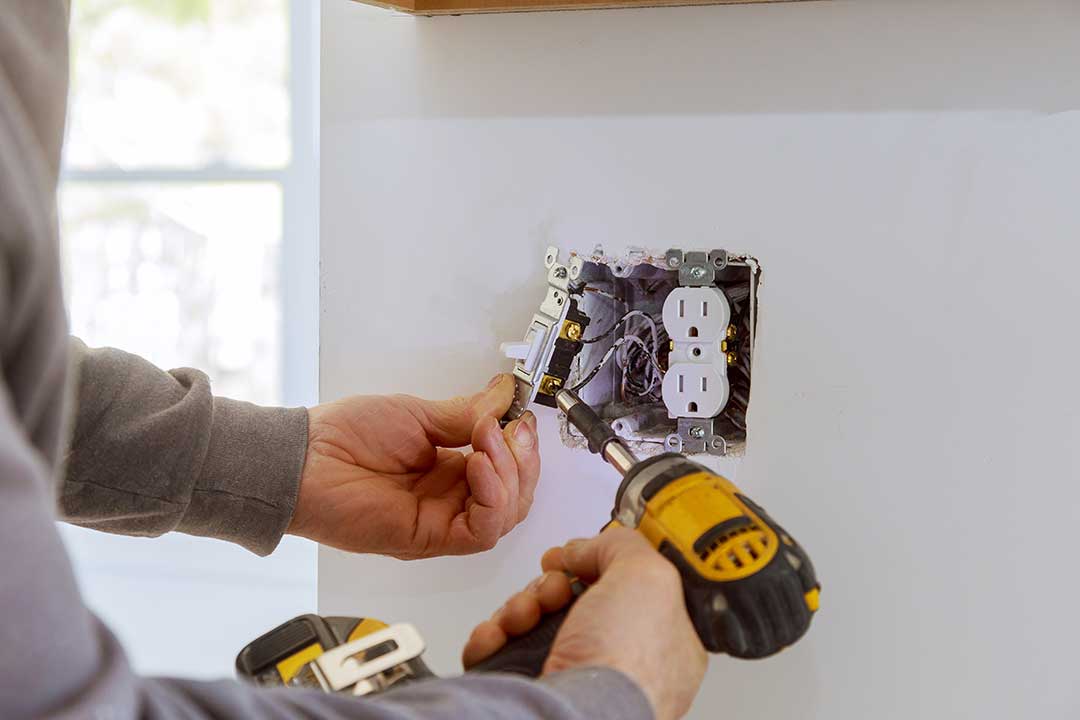
In such cases, avoid handling the electrical system any further until a qualified professional inspects it for safety.
Are Certain Seasons More Problematic in Knoxville?
Seasonal changes affect how often circuit breakers trip. Higher electricity use in winter for heating or in summer for cooling can push circuits closer to their limits, especially during severe cold snaps or heat waves common in the city. Added holiday lighting or new EV chargers can also increase demands on older electrical systems.
Homes with mature trees are at extra risk for weather-related shorts from fallen branches damaging exterior wiring or storm-driven moisture getting into outdoor outlets. Regular checks and awareness of your home's electrical capacity can help minimize unexpected trips.
Are Old Homes at Higher Risk?
Knoxville has many neighborhoods with homes built before modern wiring codes. Electrical panels in some homes may not be equipped to handle today's appliances and electronic devices. Outdated two-prong outlets, ungrounded circuits, and limited breaker spaces are potential warning signs. Residents often find that using a few new appliances can overwhelm existing circuits, leading to frequent breaker trips.
Practical Steps:
- Know which outlets share a breaker—don't run all big devices on a single circuit
- Pay attention to any new pattern of tripping after home improvements, new appliance purchases, or reconfigured living spaces
Common Misconceptions About Tripping Breakers
Many believe a single device automatically means a faulty appliance, but configuration and wire ages matter. Extension cords are often blamed, but underlying wiring or connected devices may be the real culprits. If only holiday lighting trips a breaker, it may just be an overloaded circuit, not defective lights.
Another myth is that resetting a breaker repeatedly is harmless—repeated trips are an indication of an underlying issue that needs attention.
Helpful Tips for Reducing Breaker Trips
- Spread high-wattage appliances across multiple outlets in different rooms when possible
- Avoid daisy-chaining extension cords, especially in older houses
- Don't use damaged or frayed cords with any device
- After storms, check outdoor outlets and panels for evidence of water
In Knoxville, awareness of home age, changes in appliance use, and seasonal patterns go a long way toward reducing unexpected breaker trips and maintaining a safer electrical environment.