

 See My Latest Article on HelloNation
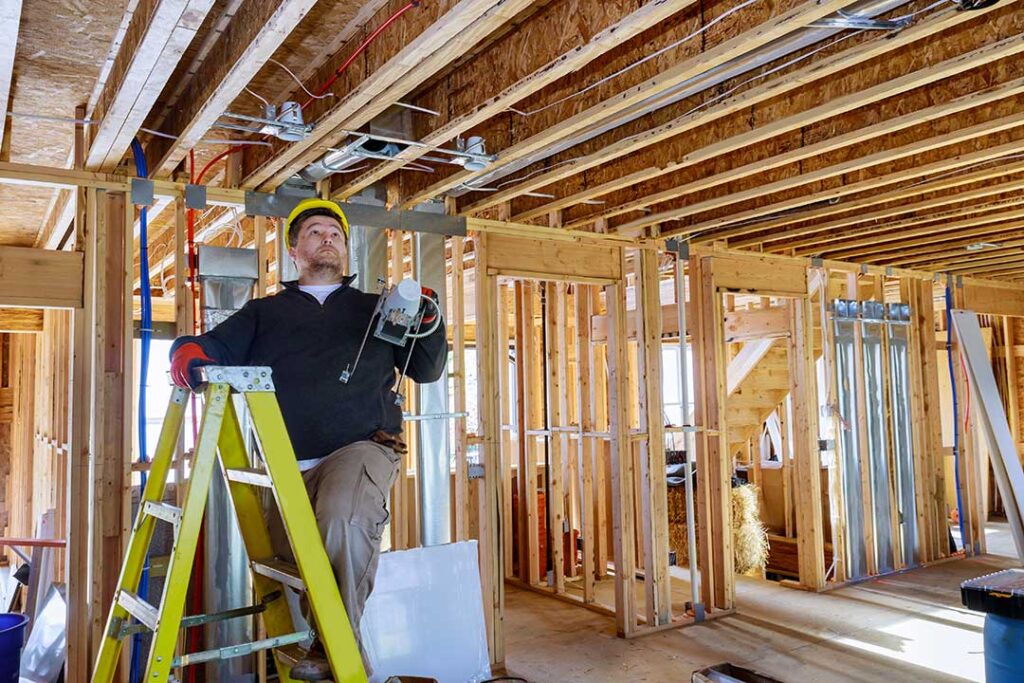
Electrical fires often begin with a small warning: a warm outlet, a flickering light, a buzzing sound, or a cord that has started to crack. These signs can be easy to overlook, but they may indicate excessive current, loose connections, damaged insulation, or failing equipment.
For households in Knoxville, TN, electrical fire prevention is especially relevant in homes with older wiring, frequent seasonal heating and cooling use, enclosed porches, workshops, and garages. Understanding the most common causes helps residents identify hazards before they become emergencies.
What are the most common causes of electrical fires?
The leading causes usually involve overloaded circuits, damaged cords, loose connections, outdated wiring, and improperly used electrical equipment. Fires can begin inside walls, at receptacles, in light fixtures, or within appliances.
Common electrical fire sources include:
- Overloaded outlets and power strips
- Damaged extension cords or appliance cords
- Loose, worn, or overheated receptacles
- Outdated wiring or improper electrical repairs
- Light fixtures with excessive heat
- Space heaters and other high-wattage appliances
- Electrical equipment exposed to water or moisture
- Faulty appliances, motors, and battery chargers
The Tennessee State Fire Marshal’s Office identifies fixed wiring, cords, plugs, receptacles, switches, and lighting equipment as recurring sources of residential electrical fires. ([tn.gov](https://www.tn.gov/news/2013/4/25/state-fire-marshals-office-provides-electrical-fire-prevention-tips.html?utm_source=openai))
How do overloaded outlets cause fires?
An outlet or circuit can carry only a limited amount of electrical current. Plugging several high-wattage devices into the same outlet or power strip can create heat in the wiring, plug, or connection point. If the heat builds faster than it can escape, nearby materials may ignite.
High-demand devices include portable heaters, air conditioners, clothes dryers, toaster ovens, microwaves, hair dryers, and large kitchen appliances. A power strip does not increase the capacity of a circuit; it only provides more places to plug in equipment.
Safer practices include:
- Plug high-wattage appliances directly into a wall outlet.
- Avoid connecting one power strip or extension cord to another.
- Do not use a power strip for appliances that produce heat unless it is specifically designed and rated for that purpose.
- Pay attention to circuit breakers that trip repeatedly.
- Do not replace a breaker with one rated for more amperage than the wiring can safely handle.
A frequently tripping breaker is a warning that should not be ignored. It may indicate an overloaded circuit, a short circuit, a defective appliance, or a wiring problem.
Why are damaged cords and extension cords dangerous?
Cracked insulation, bent prongs, exposed wire, scorch marks, and loose plugs can allow electricity to escape or create enough resistance to produce heat. Extension cords are intended for temporary use, not as a permanent substitute for installed wiring.
Cords should not be:
- Run under rugs or carpeting
- Pinched beneath furniture or doors
- Placed near radiators, heaters, or hot surfaces
- Used outdoors unless rated for outdoor conditions
- Exposed to water, damp floors, or standing moisture
- Repaired with tape when the conductor or plug is damaged
Replace a damaged cord rather than attempting a makeshift repair. Use the correct cord type and rating for the equipment, and keep cords arranged so they are not exposed to foot traffic or repeated bending.
What warning signs suggest an outlet or switch may be unsafe?
An outlet or switch that feels warm, smells like burned plastic, makes a buzzing or crackling sound, or shows discoloration deserves prompt attention. Lights that flicker when appliances operate may also point to a loose connection, overloaded circuit, or wiring issue.
Other warning signs include:

- Plugs that fall out of an outlet
- Sparks when a plug is inserted or removed
- A wall plate that is loose or warm
- Repeated breaker trips
- A burning odor without an obvious source
- Small shocks or tingling from an appliance or metal cover
- Lights that dim significantly when a motor starts
Stop using the affected outlet or equipment if it is hot, smoking, sparking, or visibly damaged. If there is active smoke or fire, leave the building, close doors behind you if safe, and call 911 from outside. Do not use water on an energized electrical fire.
Can old wiring increase fire risk?
Older homes may have wiring, receptacles, panels, or electrical modifications that no longer match modern household demand. Even when a system worked safely for years, adding computers, entertainment equipment, heating devices, workshop tools, and kitchen appliances can place greater stress on it.
Previous repairs can also create hazards if wires were spliced improperly, connections were left loose, or replacement devices were not suitable for the circuit. Homes that have undergone additions, enclosed porch projects, basement finishing, or garage conversions may have wiring changes that should be reviewed for safety and code compliance.
Knoxville has adopted the National Electrical Code and other construction codes as part of its local construction requirements. Electrical alterations and replacements may require permits and inspections, depending on the work involved. ([knoxvilletn.gov](https://www.knoxvilletn.gov/1249/Construction-Codes?utm_source=openai))
How can residents use space heaters more safely?
Portable heaters should sit on a solid, level, nonflammable surface with clear space around them. Keep curtains, bedding, furniture, clothing, paper, and rugs away from the heater. A heater should be plugged directly into a wall outlet rather than an extension cord or power strip.
Turn the heater off when leaving the room or going to sleep. Stop using it if the plug or outlet becomes hot, the cord is damaged, or the heater cycles abnormally. In colder periods, avoid using several portable heaters on the same circuit.
Seasonal temperature changes in the Knoxville area can lead households to move quickly between heating and cooling equipment. That transition is a useful time to inspect cords, outlets, and portable devices before placing them back into regular use.
What electrical habits reduce fire risk in kitchens, garages, and outdoor areas?
Kitchens contain several high-wattage appliances, so countertop equipment should be kept away from sinks, wet surfaces, and combustible clutter. Clean grease and debris from appliances, and avoid using damaged cords near the sink or stove.
Garages and workshops require extra care because sawdust, paint, gasoline, solvents, cardboard, and other flammable materials may be nearby. Keep electrical equipment in good condition, avoid improvised wiring, and use fixtures and cords appropriate for the environment.
Outdoor outlets and equipment should be protected from moisture and used only as intended. Ground-fault circuit interrupter protection is designed to shut off power when it detects an imbalance that may indicate current flowing through an unintended path. Tennessee safety guidance also emphasizes using properly protected electrical equipment in areas where water is present. ([homebuilding.tn.gov](https://homebuilding.tn.gov/commerce/news/2026/10/1/sfmo-focus-on-fire-safety-this-halloween-and-avoid-a-scary-home-fire.html?utm_source=openai))
When does electrical work require added caution?
Electrical work involving service panels, concealed wiring, new circuits, damaged conductors, recurring breaker trips, or signs of overheating presents a genuine shock and fire hazard. Turning off a switch does not necessarily make every conductor in a box safe, and a breaker panel may contain energized parts even when individual circuits are off.
Do not remove panel covers, bypass breakers, alter grounding, or replace damaged wiring without the appropriate knowledge and authorization. In Knoxville, regulated electrical alterations may require a permit, while Tennessee’s inspection program enforces adopted electrical and residential codes in applicable situations. ([tn.gov](https://www.tn.gov/commerce/fire/sections-programs/fire-electrical-residential-and-marina.html?utm_source=openai))
The most useful prevention routine is simple: inspect cords and outlets, keep circuits within their limits, treat heat and odor as warnings, use appliances as directed, and make sure smoke alarms are working throughout the home. Electrical fire prevention is usually less about a single device and more about recognizing small signs before heat, sparks, or damaged insulation become a fire.