

 See My Latest Article on HelloNation

Smoke detectors are only useful if they can detect smoke, sound loudly, and be heard throughout the home. Testing them properly takes only a few minutes, but the test should cover more than pressing a button and listening for a beep.
How often should smoke detectors be tested?
Test every smoke detector at least once a month using the built-in test button. Monthly testing checks the alarm’s sounder, power supply, and basic operating circuit, but it does not prove that the detector will respond perfectly to every type of fire.
Choose a regular reminder, such as the first day of each month. Area households may also find it practical to test detectors when clocks change, while remembering that monthly testing is the more reliable schedule.
Test every detector separately, including alarms:
- Inside each bedroom
- Outside sleeping areas
- On every level of the home
- In finished basements or other occupied lower levels
- Near stairs and hallways where sound can travel
If the alarms are interconnected, pressing the test button on one unit may cause every alarm to sound. Even so, check each detector for damage, dirt, age, and proper installation.
What is the correct way to test a smoke detector?
Stand where the alarm can be heard clearly, then press and hold the test button until the alarm sounds. Many units require several seconds of pressure rather than a quick tap.
A proper test includes these steps:
1. Tell household members that the alarm is being tested.
2. Close nearby doors as they normally would be during sleeping hours.
3. Press and hold the test button.
4. Confirm that the alarm produces a loud, distinct sound.
5. Listen from bedrooms, bathrooms, the lowest level, and other areas where someone may sleep or spend time.
6. Test interconnected alarms to confirm that the other units respond, if the system is designed to do so.
7. Press the hush or reset button if the alarm continues sounding after the test.
The sound should not be faint, intermittent, or difficult to distinguish from background noise. A person who is asleep, wearing hearing protection, or using a fan may need a louder alarm or an additional alerting method.
Never test a smoke detector by lighting a match, burning paper, using an open flame, or deliberately creating smoke indoors. Those methods can cause a fire, contaminate the sensing chamber, and may not provide a reliable test.
What should you do if the alarm does not sound?
If a detector does not sound during the button test, treat it as nonfunctional until the problem is corrected. Start by checking whether the unit has power and whether the battery is installed correctly.
For a battery-powered detector:
- Install a fresh battery of the type listed by the manufacturer.
- Confirm that the battery compartment closes completely.
- Press the test button again.
- Replace the alarm if it still does not sound.
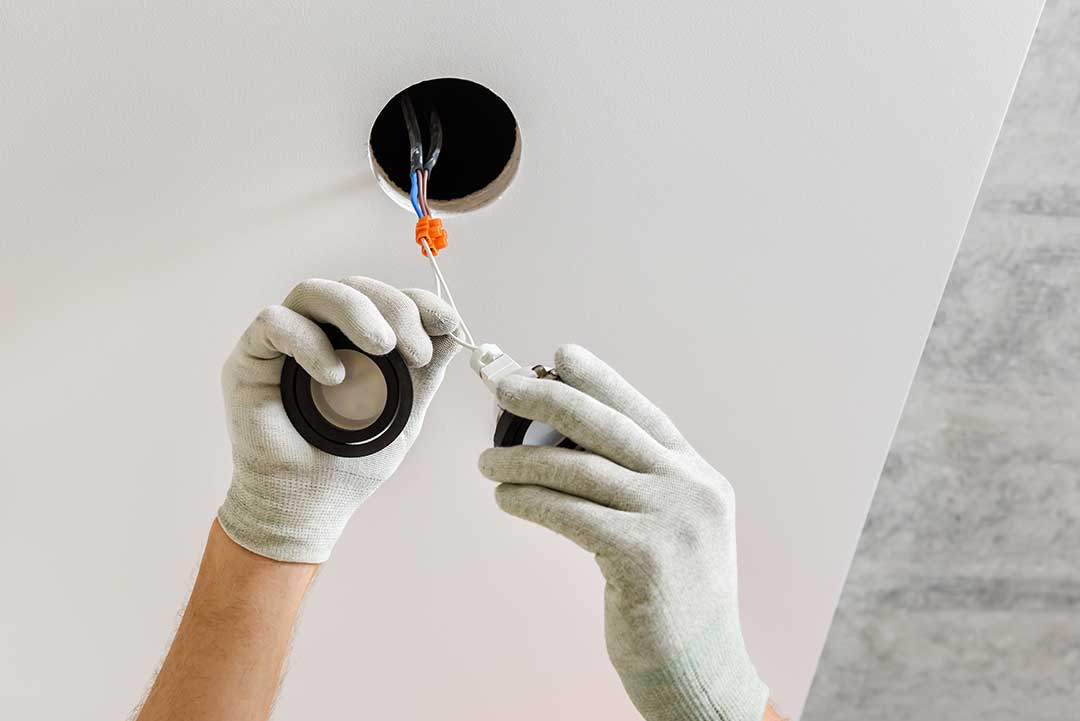
For a hardwired detector, check whether the home has lost power and whether the backup battery needs replacement. Do not remove the alarm from its wiring unless the power is safely disconnected and the installation instructions allow it. A hardwired alarm that continues to fail may have a wiring, connection, or control problem that requires qualified electrical attention.
A chirp every minute or so usually indicates a low battery, a power interruption, a fault, or an expired alarm. The exact pattern varies by model, so the manufacturer’s instructions should be used to identify the warning.
How do batteries and hardwired alarms differ?
Battery-powered alarms depend entirely on their batteries. Replace standard replaceable batteries at least once a year, and replace them sooner if the detector gives a low-battery warning.
Some newer detectors have sealed, long-life batteries. These batteries are not intended to be removed or replaced. The entire alarm is replaced according to the manufacturer’s instructions, commonly when the unit reaches the end of its service life.
Hardwired smoke detectors receive normal power from the home’s electrical system but also require backup batteries. Test them monthly and replace their backup batteries at least annually unless the instructions specify another schedule.
A detector can still chirp after a battery change if the unit is old, dusty, improperly connected, or affected by a power problem. Replacing batteries alone does not solve every warning.
How do you check the detector’s age?
Look on the back or side of the alarm for the manufacture date. Smoke detectors should generally be replaced 10 years from that date, even if they still pass the button test.
Older detectors may become less dependable as their sensing components age. Replace any alarm that:
- Is 10 years old or older
- Has no visible manufacture date and appears aged
- Fails a button test
- Produces a weak or unusual alarm sound
- Shows signs of heat, water, corrosion, or physical damage
- Gives repeated nuisance alarms after the likely cause has been addressed
A detector installed during an earlier renovation may be much older than the home’s current occupants realize. Checking the date during monthly testing prevents the unit from being overlooked.
How should dust, cooking, and humidity be handled?
Dust and insects can interfere with a detector’s sensing chamber. With the alarm removed only as permitted by the manufacturer, clean exterior openings gently using a vacuum attachment or soft brush. Do not spray cleaners, paint, or compressed liquids into the alarm.
Smoke detectors should not be placed directly beside cooking appliances or in areas where shower steam regularly reaches them. Cooking fumes and humidity can cause nuisance alarms, but the solution is not to remove the battery or permanently disable the detector.
Use the hush button when appropriate, ventilate the area, and investigate repeated alarms. If an alarm is too close to a kitchen or bathroom, its location may need to be reconsidered while maintaining required coverage.
Seasonal changes can also affect nuisance alarms in local homes. Closed windows, heating equipment, fireplaces, and increased indoor humidity may make dust or airborne particles more noticeable to a detector. These conditions should prompt cleaning and evaluation, not disconnection.
What should renters and homeowners verify?
Every sleeping area should have a working detector nearby, and every level should have coverage. In many homes, interconnected alarms are preferable because occupants can hear an alarm from another floor or room.
Renters should report a failed hardwired alarm, missing alarm, exposed wiring, or persistent chirping through the appropriate property-maintenance process. Do not disconnect a required alarm because it is inconvenient.
Homeowners should keep the alarm instructions, record installation dates, and mark monthly tests on a calendar. It is also useful to test the alarm at different times of day so household members learn what the sound means.
Testing smoke detectors should be part of a broader fire-safety routine. Keep exit paths clear, make sure everyone knows two ways out when possible, and leave immediately when an alarm indicates a real fire. Never delay evacuation to investigate the source of the alarm or retrieve belongings.