

 See My Latest Article on HelloNation

Can Residents Legally Perform Electrical Repairs in Knoxville, TN?
Knoxville, TN allows homeowners to perform some electrical repairs and maintenance on their own homes, but strict limits are set by local codes and state law. In general, residents may carry out minor work, but most major electrical projects—especially those involving new wiring or service upgrades—are regulated and require permits as well as licensed electrician oversight.
Knoxville follows both state of Tennessee electrical codes and local regulations, which are designed to protect residents from hazards like fire, shock, and property damage. Violating these regulations can result in fines, insurance issues, and serious safety risks.
What Electrical Tasks Are Generally Safe and Permitted for DIY in Knoxville?
Most Knoxville households can safely and legally perform the following basic tasks, provided they understand and follow manufacturer instructions and take precautions like shutting off power at the breaker:
- Replacing light fixtures with new fixtures of the same wattage and size
- Swapping out switches or outlets that are already existing (not installing new ones)
- Installing or replacing faceplates on outlets and switches
- Changing light bulbs, upgrading to LED, or installing dimmable bulb replacements
- Resetting breakers or replacing fuses in the electrical panel if familiar with safe handling
Common tools for these tasks include voltage testers, screwdrivers, and needle-nose pliers. Residents should always ensure power is completely off before beginning any repair.
Which Repairs or Projects Require Permits or a Licensed Electrician?
Several types of work are not allowed for DIY in the city. Local code and safety concerns require permits and inspection—either obtained by the homeowner (under strict conditions) or by a licensed electrician. These include:
- Installing new circuits (such as for kitchen remodels, home additions, or new outlets)
- Running new electrical wire through walls, ceilings, or floors
- Upgrading, replacing, or relocating the service panel ("breaker box")
- Installing or moving outdoor wiring
- Connecting or altering wiring for large appliances (dryers, ovens, water heaters)
- Rewiring or major electrical renovations involving multiple rooms or the entire home
Many homeowners assume that “simple” projects like adding a new outlet or running wire across a room are minor. However, these changes affect load calculations, grounding, and arc fault protection—critical for fire prevention and required by local code.
What Are the Risks and Consequences of Exceeding DIY Boundaries?
Attempting electrical work beyond what is permitted can have significant safety, legal, and financial consequences. The risks for Knoxville households include:
- Shock or electrocution, causing injury or death
- Electrical fires resulting from improper connections or overloads
- Voiding homeowners’ insurance or claims denial in case of fire or damage
- Failed property inspections when selling a home
- Costly rework or fines imposed by the city if unpermitted work is discovered
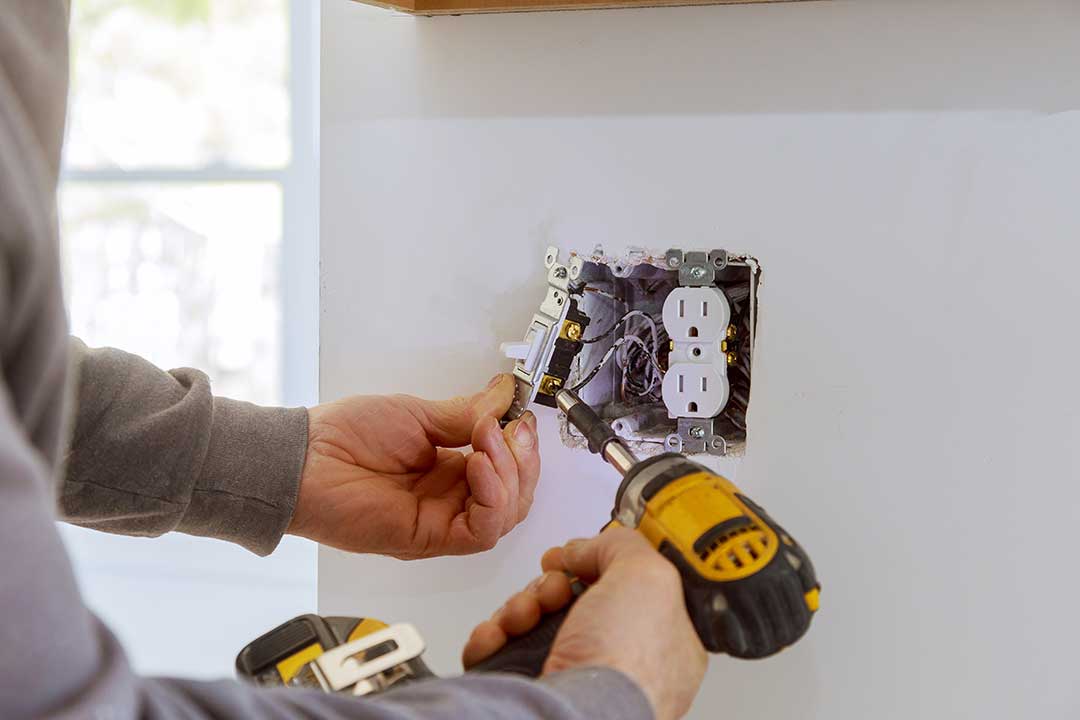
Knoxville’s humid summers, lightning-prone storms, and varied housing ages increase the importance of adequate wiring, good grounding, and precise code compliance. Old wiring, aluminum conductors, and DIY shortcuts all add risk, especially in historic or mid-century homes common in the area.
How Can Local Residents Know If a Permit or Electrician Is Needed?
If a task changes the way electricity is distributed or increases the load on a circuit, it likely requires a permit or licensed professional. Some checkpoints for local DIYers:
- Will you touch or move any wires not already in plain view?
- Does the project involve new construction, additions, or converting space uses (e.g., garage to living area)?
- Are you unsure which breaker controls the circuit or can’t verify power is truly off?
- Are you altering anything outside of standard fixture swaps or outlet/switch replacements?
- Unsure if your home uses grounded outlets, GFCI or AFCI protection, or aluminum wiring?
If the answer to any of these is “yes” or “I’m not sure,” it is best to pause and use city or state resources to clarify requirements.
Where Can Knoxville Residents Get Reliable Guidance on Electrical Codes and Permits?
Knoxville’s Building Permits & Inspections division maintains up-to-date guidance on what homeowners are allowed to do themselves and which projects require inspection. Official resources include:
- City code enforcement or permitting office websites for application requirements
- Local public library branches for electrical handbooks and safety guides
- Community college continuing education programs that sometimes offer basic wiring classes
Remember, working beyond one’s skill level—even on permitted DIY projects—can turn a simple repair into an expensive or dangerous mistake. Many residents find that understanding city requirements before starting a project prevents setbacks or code problems down the road.