

 See My Latest Article on HelloNation
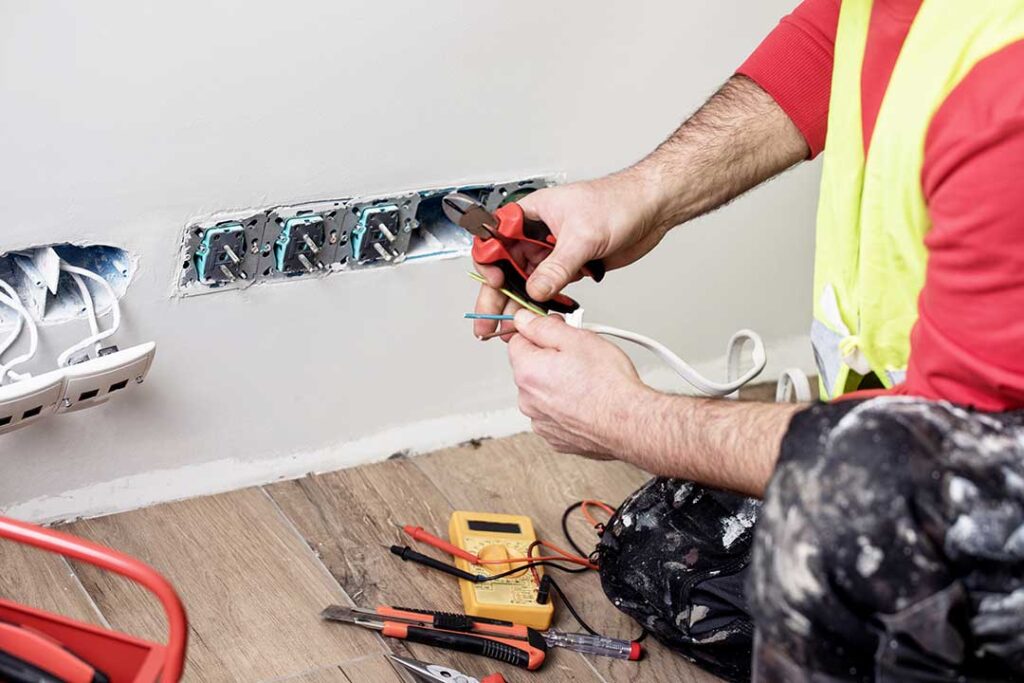
What Might Cause Lights to Flicker in Knoxville, TN?
Flickering lights are a fairly common annoyance in Knoxville, TN, especially in homes built several decades ago or those with older wiring. Typically, a light that briefly flickers now and then isn’t a direct cause for alarm, but persistent or sudden changes can signal deeper electrical problems. Environmental factors unique to the region, such as storms and fluctuating utility loads, can also play a part.
Are Flickering Lights Always Dangerous?
Not every instance of flickering is dangerous. Minor, infrequent flickers—especially when a major appliance powers on—can be harmless and a normal response to momentary voltage changes. However, repeated, unexplained, or widespread flickering can point to safety hazards like overloaded circuits, loose connections, or failing components, which are especially important to catch early in areas where weather and older housing infrastructure sometimes stress the electrical system.
What Are the Most Common Causes in Local Homes?
Most causes fit into a few general categories:
- Loose Bulbs or Poor Contact: Sometimes a bulb isn’t screwed in firmly, which disrupts the electrical flow. Remove the power (turn off the switch or breaker), tighten or replace the bulb, and check if the flickering continues.
- Faulty Switches or Dimmers: Older or degraded wall switches, especially dimmers, may not maintain a consistent connection.
- Appliance Interference: Large appliances like heat pumps or refrigerators can temporarily draw extra current when turning on, causing lights elsewhere to briefly dim or flicker.
- Circuit Overload: Multiple high-powered devices on a single circuit may exceed its safe capacity, found in some older Knoxville homes that pre-date modern kitchen and laundry layouts.
Can Local Weather Make the Problem Worse?
Short answer: Yes. Knoxville’s climate brings thunderstorms and heavy seasonal winds, which can disturb utility lines.
- Storms: Strong winds or ice can damage overhead wiring or cause surges.
- Humidity: Wet conditions may expose any already marginal wiring in crawl spaces or attics.
- Seasonal Demand: Summer heatwaves and winter cold snaps can strain local utilities, sometimes leading to minor flickering in many households at once.
If the flickering follows a storm or affects an entire neighborhood, it may be due to external power issues rather than anything inside the home.
How Do You Tell if the Problem Is in One Fixture or the Whole House?
Flickering in a single lamp or room means a local issue—like a loose socket or switch—is likely. If lights all over the house flicker at the same time, the main electrical panel or incoming utility service could be at fault, which is more serious.
Also, watch for patterns:
- Flickering with a specific appliance: Possibly circuit overload or appliance malfunction.
- Flickering in several outlets: Indicates wiring, breaker, or panel issues.
If multiple unrelated lights flicker simultaneously, especially after storms or when using large appliances, this suggests a wiring or service connection problem.
Are Certain Types of Bulbs More Likely to Flicker?
Yes. The move from traditional incandescent to LED and CFL bulbs means new types of flicker sometimes crop up, often due to incompatible dimmer switches or older wiring. Some flickering occurs as LEDs “react” to small voltage fluctuations that older bulbs ignored. This is more noticeable in houses transitioning to newer lighting with pre-existing electrical setups.
- LED bulbs: Can flicker with old dimmers or in multi-bulb ceiling fixtures with incompatible wiring.
- Fluorescent bulbs: Are prone to flicker in cold temperatures or when ballasts are aging.
- Incandescent bulbs: Usually only flicker due to loose contacts or fluctuating voltage.
How Does House Age or Wiring Type Affect Flickering?

Many Knoxville neighborhoods feature mid-century or earlier homes with a patchwork of updates. In these homes, both aluminum wiring (popular in the 1960s and early 1970s) and aging copper wires can cause intermittent connections as they oxidize or work loose over time. Junction boxes hidden in walls or ceilings can loosen through years of settlement and vibration. Such issues may not be obvious without a visual inspection of wiring insulation and connections.
When Should Residents Take Immediate Safety Action?
Persistent or severe flickering—especially when paired with other warning signs—deserves prompt attention:
- Unusual odors (like burning plastic)
- Heat or discoloration at outlets or switches
- Lights dimming when no large appliances are running
- Flickering affecting the whole house or causing breakers to trip repeatedly
In such cases, the risk of electrical fire or shock increases, especially given the mix of home ages and wiring types found across the area.
What Are Common Misconceptions About Flickering Lights?
- “It’s just an old house thing.” Not necessarily—modern homes with faulty installations or overloaded circuits can have the same problems.
- “LEDs just flicker.” Properly chosen LEDs on compatible dimmers and sound wiring shouldn’t flicker at all.
- “It’ll go away on its own.” Underlying causes often worsen, not improve, over time, especially if loose connections continue to overheat.
What Steps Can Homeowners Take Themselves?
Simple troubleshooting is often effective for minor issues:
- Ensure all bulbs are secure and undamaged
- Replace or test with a different bulb type
- Reset loose fixtures, and check if switches feel loose or “crackly”
If there are repeating issues, visible sparks, odd sounds, or a history of electrical problems in the household, more extensive evaluation may be necessary to ensure lasting safety in Knoxville’s mix of older and newer homes.